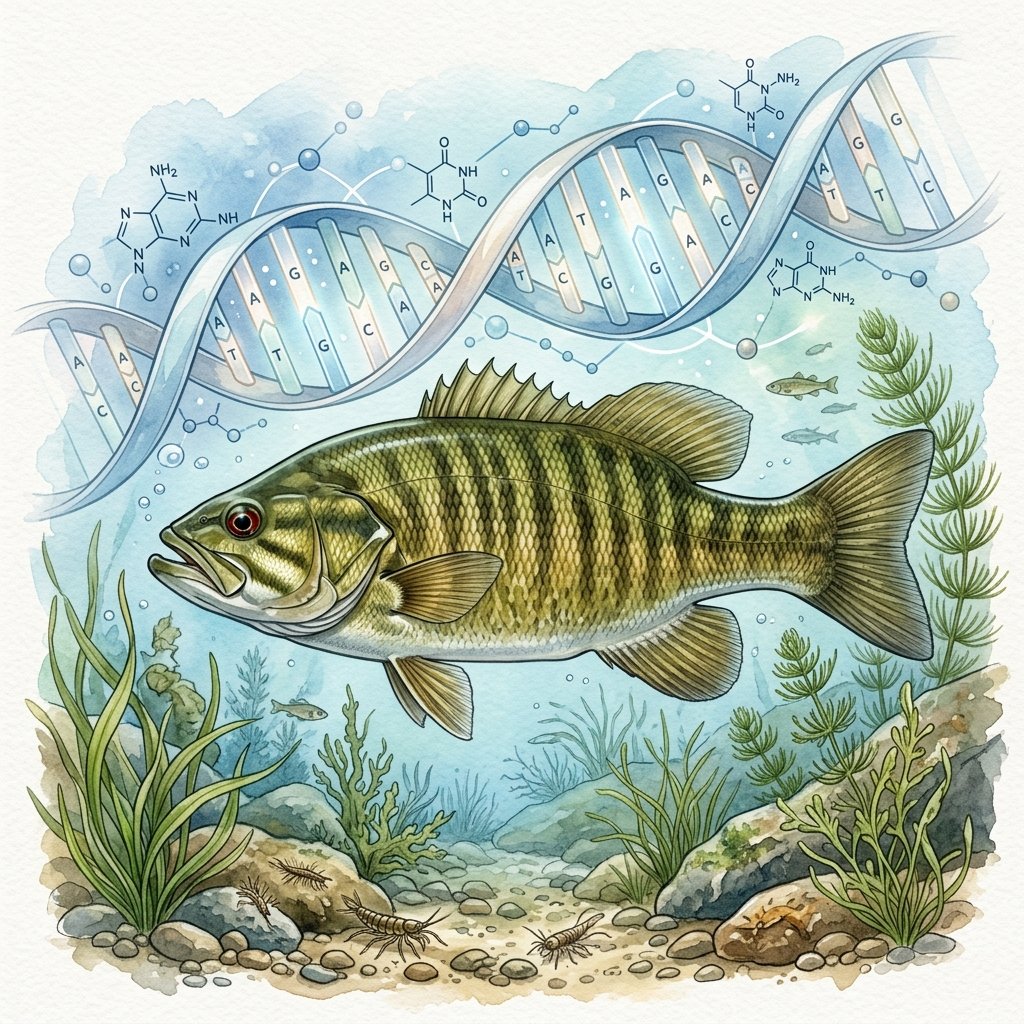
Graduate students interested in fisheries science, genomics, and ecological research have a compelling opportunity to join a cutting-edge research project at the University of Vermont. The Bernos F.I.S.H. Lab is currently recruiting a motivated MSc or PhD student to work on Smallmouth Bass population genomics in Lake Champlain.
This fully funded graduate research assistantship offers a rare combination of fieldwork, laboratory science, and computational biology within a globally recognized freshwater ecosystem. This opportunity represents a strong pathway into advanced research careers in fisheries science, conservation genomics, and ecological data science. Applicants with a clear interest in integrating field ecology with genomic analysis will find this position particularly rewarding.
Key Position Details
- Institution: University of Vermont
- Location: Burlington, Vermont, USA
- Application Deadline: May 1, 2026 (priority consideration)
- Start Date: Between May 18 and August 31, 2026 (flexible)
- Salary: Starting at $34,300 per year
- Degree Level: MSc or PhD
- Minimum Education: Bachelor’s degree
Research Focus: Genomics of Smallmouth Bass in Lake Champlain
This project centers on understanding the population structure and evolutionary dynamics of Smallmouth Bass in Lake Champlain using modern genomic tools.
Lake Champlain presents a uniquely complex ecological system. Its landscape is shaped by both natural geological features such as islands and human-made structures like causeways, creating a fragmented habitat. This makes it an ideal natural laboratory for studying population genomics, landscape genetics, habitat fragmentation, and anthropogenic impacts on biodiversity. The selected candidate will investigate how environmental and human factors influence genetic diversity and connectivity among fish populations.
Why This Research Matters
Smallmouth Bass is a cornerstone species in recreational fisheries, particularly in Lake Champlain, which is considered a world-class fishing destination. Understanding genetic variation and population structure has direct implications for fisheries management strategies, conservation biology, sustainable recreational fishing, and evolutionary responses to human pressures. The project also opens opportunities to explore advanced topics such as genotype-by-environment interactions and fishery-induced evolution.
What You Will Do
Fieldwork
- Sample fish populations across Lake Champlain and its tributaries
- Collect biological data and tissue samples (fin clips)
Laboratory Work
- Perform DNA extraction
- Prepare genomic libraries for sequencing
Computational Analysis
- Analyze large-scale genetic datasets
- Use statistical and bioinformatics tools to interpret genomic variation
This is a collaborative project involving the Vermont Fish and Wildlife Department and multiple academic partners, offering strong interdisciplinary exposure.
Required Qualifications
Applicants should meet the following criteria:
- Bachelor’s degree in fisheries science, biology, or a related field
- Valid U.S. driver’s license
- Strong written and verbal communication skills
- Ability to work independently and collaboratively
Technical Skills
- Proficiency in R programming
- Basic experience in molecular biology and bioinformatics
Preferred Experience
- Fish ecology or aquatic sciences
- Statistical analysis of large datasets
- Genetic or genomic data analysis
Application Instructions
Interested candidates should submit a complete application via email to Dr. Thaïs Bernos at thais.bernos@uvm.edu.
Required Documents (Single PDF)
- Statement of interest (research background and career goals)
- Curriculum Vitae (maximum 2 pages)
- Contact information for two professional references
- Unofficial academic transcripts
- File Name Format:
LASTNAME_SmallmouthBass.PDF - Email Subject Line: Smallmouth Bass position
- Application Deadline: May 1, 2026 (priority consideration)
Frequently Asked Questions
1. Is this MSc or PhD position fully funded?
Yes. The position includes a starting annual stipend of $34,300, along with research support through a graduate assistantship.
2. Can international students apply?
While the listing does not explicitly exclude international applicants, candidates should verify eligibility requirements, including visa and driver’s license considerations.
3. What is the expected start date?
The position is flexible, with start dates between May and August 2026. Most students will begin in the Fall 2026 semester.
4. Do I need prior genomics experience?
Basic exposure to molecular biology and bioinformatics is expected, but extensive experience is not mandatory. Demonstrated willingness to learn is important.
5. How competitive is this opportunity?
Positions in fisheries genomics at well-funded labs like this are competitive. Strong academic performance, relevant skills, and a clear research statement will strengthen your application.
6. Will there be fieldwork involved?
Yes. Field sampling across Lake Champlain and its tributaries is a central component of the project.
7. What software skills are required?
Proficiency in R is required. Familiarity with genomic analysis tools and statistical modeling is highly beneficial.