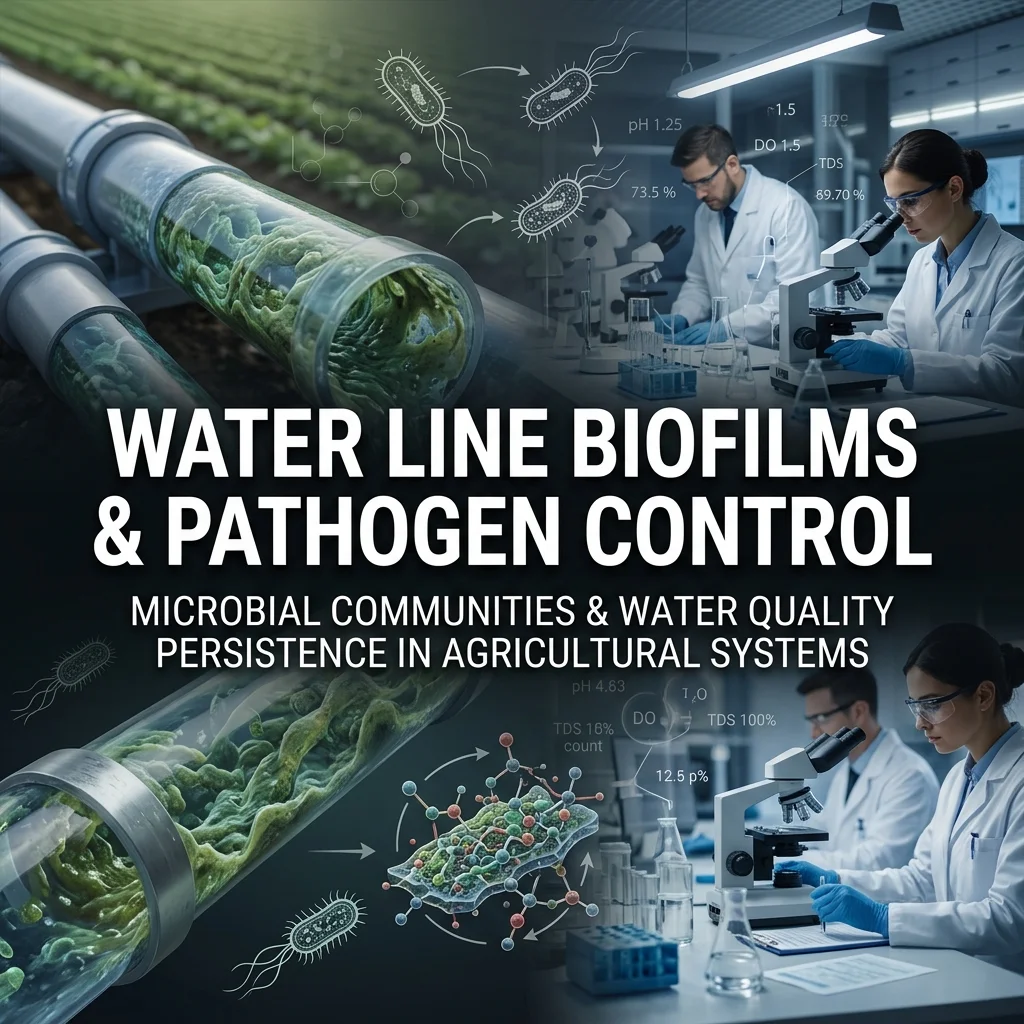
A comprehensive research study by agricultural scientists at the University of Arkansas System Division of Agriculture and Mississippi State University highlights how water chemistry and biofilm buildup in drinking water lines affect microbial communities and pathogen persistence.
Key Scientific Insights
Biofilms are structured microbial communities enclosed within self-produced extracellular polymeric matrixes. In agricultural water supply lines, these biofilms form regardless of initial water clarity and can serve as persistent reservoirs for pathogenic bacteria like Salmonella. Key study findings include:
- Impact of Water Mineralization: Comparing water lines with normal versus high sulfur-iron content revealed distinct microbial shifts in biofilm composition and poultry litter.
- Probiotic vs. Pathogenic Microbial Dynamics: Water lines with balanced mineral chemistry harbored beneficial Bacillus species with probiotic properties, whereas high-sulfur water lines promoted opportunistic pathogens.
- Sanitation & Monitoring Recommendations: Regular water line testing, targeted sanitization protocols, and biofilm disruption are essential for maintaining microbial safety in animal housing systems.
Research Implications
Understanding the interplay between water line mineral chemistry, biofilm formation, and microbial ecology provides actionable strategies for agricultural water quality management, reducing reliance on chemical treatments, and safeguarding food production systems.