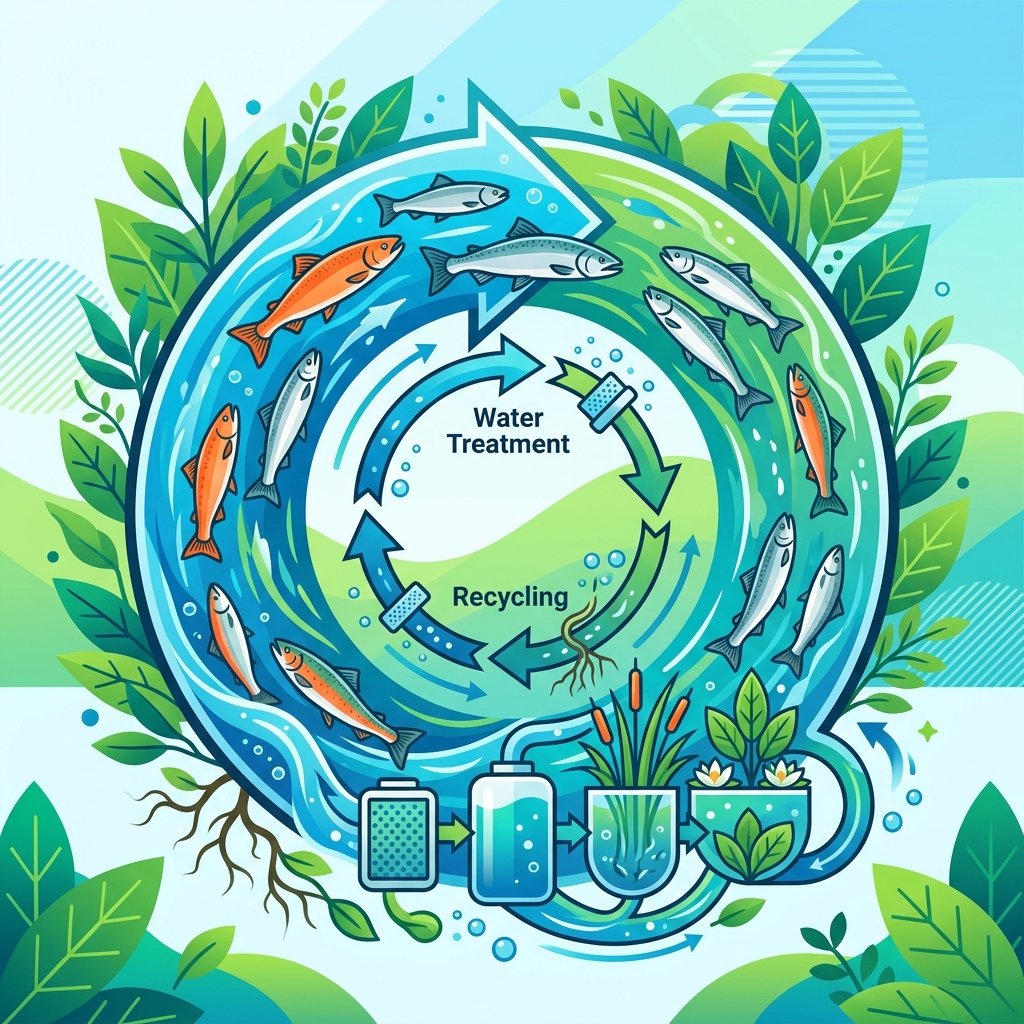
A fully funded PhD position at Wageningen University & Research (WUR) offers a compelling opportunity for candidates interested in sustainable aquaculture, global food systems, and environmental modelling. This position sits at the intersection of science, sustainability, and policy—an increasingly important space in global research.
Why Circular Food Systems Matter
Circular food systems are gaining traction as a practical response to global food security challenges. Rather than relying on resource-intensive production, these systems aim to reuse and upcycle biomass, especially materials that humans cannot or prefer not to consume. Aquatic food production—through both aquaculture and fisheries—plays a central role in this transition:
- Fisheries provide nutrient-rich food with relatively low environmental input
- Aquaculture offers scalable solutions for converting waste streams into edible protein
However, a major issue persists: feed-food competition, where human-edible ingredients are diverted into animal feed. Addressing this inefficiency is key to achieving true circularity.
Research Focus of the PhD
This PhD project is designed to produce actionable insights into how aquatic systems can contribute to sustainable food futures. The research will focus on three core areas:
1. Global Aquaculture Feed Analysis
You will work with international datasets to track trends in aquaculture feed composition, quantify feed-food competition, and identify inefficiencies in current systems.
2. Modelling Trade-offs in Food Systems
Using linear optimisation models, you will evaluate trade-offs between nutrition, environmental impact, and resource use, and assess greenhouse gas emissions across different production systems.
3. Nutritional Impact Assessment
The project will also explore how different fish consumption strategies affect nutrient availability and the role of aquatic foods in future global diets.
Academic Environment
The position is hosted within the Aquaculture Biology and Fisheries Ecology group, led by Geert Wiegertjes. You will be supervised by Anne-Jo van Riel and Prof. Dr. Ir. Geert Wiegertjes. This research group is known for its interdisciplinary approach, combining biology, ecology, and data science to address real-world challenges.
Candidate Profile
This role is best suited for candidates who combine analytical skills with a strong interest in sustainability.
Essential Requirements
- MSc degree in environmental science, aquaculture, food systems, or related fields
- Experience with quantitative modelling (Python or R preferred)
- Knowledge of statistical analysis and data visualisation
- Strong academic writing and communication skills (English C1 level)
Desirable Qualities
- Interest in circular economy and food system transitions
- Ability to work collaboratively in international teams
- Strong organisational skills
Salary, Benefits, and Work Environment
This is a fully funded PhD position with competitive benefits under the Dutch university system:
- Starting salary: €3,059/month
- Final-year salary: €3,881/month
- 8.3% year-end bonus and pension scheme
- Flexible working hours
- Access to on-campus sports facilities
The contract begins with 18 months and extends to four years based on performance. You will work on one of the most sustainable campuses in Europe, located in Wageningen, within a highly international academic community.
Support for International Applicants
International candidates are strongly encouraged to apply. The university provides visa and immigration support, assistance with housing and relocation, career support for partners, and access to potential tax benefits (e.g., 30% ruling).
Application Process
Required Documents (Max 3 Pages Total)
- Curriculum Vitae (CV)
- Motivation Letter
Applications exceeding the page limit will not be considered. Applications must be submitted through APPLY NOW.
Key Dates
- Application Deadline: April 19, 2026
- First Interviews: April 30, 2026
Frequently Asked Questions
1. Is this PhD fully funded?
Yes, the position is fully funded with a structured salary that increases annually, along with additional benefits.
2. Do I need prior experience in aquaculture?
Not necessarily. A background in environmental science, sustainability, or food systems is sufficient if combined with strong quantitative skills.
3. What programming skills are required?
Experience with Python or R is highly recommended, especially for data analysis and modelling tasks.
4. Can international students apply?
Yes. The university provides extensive support for visas, relocation, and integration into Dutch society.
5. Is knowledge of Dutch required?
No. The working language is English, and a C1 level proficiency is required.
6. What makes this PhD unique?
This project integrates nutrition, environmental science, and systems modelling—a rare combination that aligns closely with global sustainability goals.
7. What are the career prospects after completion?
Graduates typically move into academic research, policy advisory roles, international organisations (e.g., food security, sustainability), or private sector innovation in food systems.